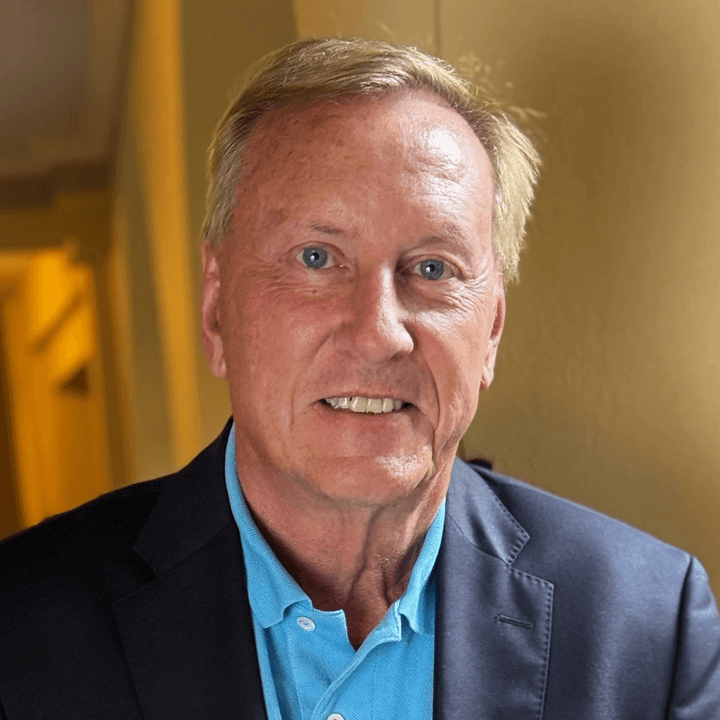

Tomas Björkman
- Title
- Entrepreneur
- My Motto
- Philosopher
- Interviews
- Quote
- Lakefront
- Initiatives
- Quote
- Videos
- Books
- My story
- Big Media
- Statement about The Nordic Secret
- Press Photos
- Contact
With the aim to facilitate the co-creation of a more
conscious society.
Hello & Welcome!
Entrepreneur
I am Tomas Björkman, an applied philosopher, author and social entrepreneur based in Europe. Before turning my attention to social change, I spent much of my professional life as an entrepreneur in finance and property development.
In 2008, after leaving the world of business, I began a new chapter. I had become increasingly interested in questions that conventional economics, politics and technology seemed unable to answer on their own: How do human beings develop? How do cultures and societies change? What shapes the way we understand ourselves and the world? And what capacities might we need to navigate periods of profound social transformation?
These questions have guided much of my work ever since.
Co-creating a more conscious society
In 2008, together with a group of friends, social entrepreneurs and thinkers, I founded the Ekskäret Foundation in Sweden. The foundation grew from a conviction that societal transformation cannot be understood solely in terms of external systems and institutions. Human development matters too – individually and collectively.
This was the beginning of what became almost two decades of experimentation with places, communities, organisations and initiatives concerned with the relationship between inner development and societal change.
One of our first major projects was Ekskäret Island in the Stockholm archipelago. Since opening in 2011, the island has become a place for retreats, learning, contemplation and conversations about personal and societal development. A few years later we created Ekskäret Klustret, a co-working and meeting space in central Stockholm, which brought together people working across social innovation, sustainability and cultural change.
Behind these initiatives was a simple hypothesis: places matter. When people with different experiences and perspectives are given the conditions to meet, learn and think together, unexpected possibilities can emerge. Physical and, later, digital spaces could become environments for experimentation – places in which new relationships, ideas and initiatives might take form.
Over the years this work expanded into a wider ecology of projects.
I helped initiate or co-found ventures including K9 Co-living in Stockholm, Perspectiva in London, the Co-creation Loft in Berlin, the digital non-profit 29k, and Emerge, which began as a series of gatherings and conversations exploring new approaches to culture, consciousness and societal transformation.
I also became one of the initiators of the Inner Development Goals, an international initiative exploring the inner capacities needed to engage more effectively with the complex challenges facing humanity.
Some of these initiatives have grown into independent organisations; others were experiments appropriate to a particular moment. What connects them for me is more important than any individual project. They have all been ways of exploring a recurring question: what conditions help people, organisations and societies become more capable of meeting complexity and participating constructively in change?
Today, this exploration continues through Emerge Institute and Emerge Lakefront in Stockholm, as well as through my writing and involvement in the Inner Development Goals and the Ekskäret Foundation.
Over time, my understanding of the challenge has also deepened. I still believe that inner development is an essential dimension of societal transformation – but it is not sufficient on its own. Human development, culture, institutions, technology, economics and our deeper assumptions about reality are interwoven.
What began for me as an effort to help “co-create a more conscious society” has therefore become a broader inquiry into how we might participate more consciously and responsibly in a period of profound civilisational change.
"We may be living at the threshold of another world. It will not simply arrive. What emerges will depend, in part, on how we choose to participate."
Applied Philosopher
The Love of Knowledge in Action
I am a member of the Club of Rome, a fellow of the Royal Swedish Academy of Engineering Sciences and a fellow of the World Academy of Art and Science.
I describe myself as an applied philosopher. I use the word philosophy in something close to its original meaning: a love of knowledge and a desire to understand how things fit together. My interests have always crossed disciplinary boundaries – from physics, economics and complexity science to developmental psychology, philosophy, sociology, history and, increasingly, cosmology and theology..
I am not trying to develop expertise in all these fields. I am interested in the connections between them and in the larger patterns that become visible when different forms of knowledge are brought into conversation.
This integrative perspective has shaped my books, including The Market Myth, The Nordic Secret and The World We Create, as well as essays such as this and this.
Much of my thinking begins with a simple observation: many of the challenges we face cannot be understood in isolation. Climate change, technological acceleration, geopolitical instability, growing inequality, loneliness, loss of meaning and declining trust are different phenomena, but they interact within larger systems. They are also connected to how human beings perceive the world, what we value and the institutions and cultures we create.
This is why I have become increasingly interested in the relationship between inner development and societal transformation.
Our capacity to respond to complexity depends partly on skills such as perspective-taking, systems thinking, empathy, self-awareness and the ability to collaborate across difference. But over the years I have also come to see that capacities alone are not enough. How we act depends on the deeper assumptions through which we interpret reality – our worldviews, our understanding of what a human being is, what constitutes a good life, and what kind of world we believe ourselves to be living in.
This has gradually led me towards a deeper inquiry.
The modern world has given humanity extraordinary powers to understand and transform our environment. It has also encouraged us to think of ourselves as largely separate individuals standing outside a world of objects and resources. Yet many developments in science, philosophy, ecology and the contemplative traditions point towards a more relational picture: human beings are deeply embedded participants in biological, cultural, social and planetary processes that we can influence but never fully control.
Instead of asking only “How can we solve the problems we face?”, we also need to ask: What kind of participants must we become in order to meet the reality we are part of more wisely?
That question now lies close to the centre of my philosophical work.
It also connects my thinking with my practical projects. The Ekskäret Foundation, Protus, Perspectiva, 29k, the Inner Development Goals, Emerge and other initiatives have all, in different ways, explored the relationship between how human beings develop and the worlds we collectively create.
I was also a co-founder of Fri Tanke, a Swedish publishing house created to encourage serious public conversation across the boundaries of science, philosophy, politics and existential inquiry.
For me, philosophy has therefore never been primarily an academic exercise. It is a way of trying to understand the world deeply enough to participate in it more consciously and responsibly.
Interviews and articles
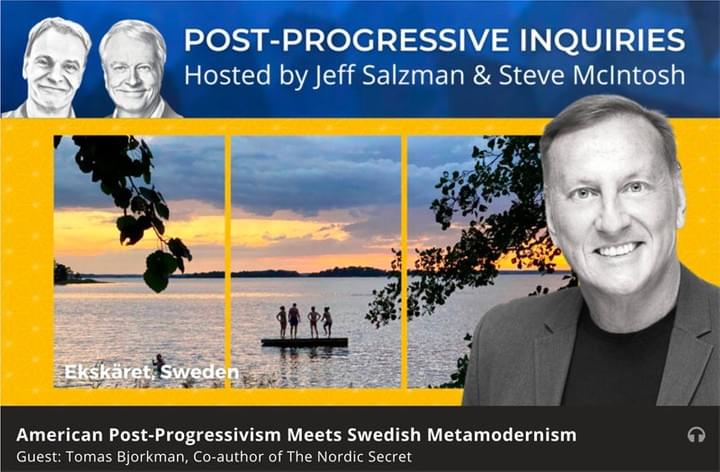
This pod gives you a good overview of my thinking and doing:
Making opportunities for inner development widely accessible is a prerequisite for stable and flourishing democracies.
New Project:
Lakefront - Emerge Stockholm Campus
Some of my initiatives
The initiatives I have helped create remain important parts of my life, but each has developed its own identity, leadership and direction. Rather than describe them here, I invite you to visit their websites and let them speak for themselves.
The Ekskäret Foundation works to support the co-creation of a more conscious society. We create and support places, programmes and initiatives that bring people together for inquiry, learning and development.
Our work includes retreats, courses, seminars, gatherings and other forms of lifelong learning, often bringing together people from different disciplines, sectors and perspectives. The aim is to create conditions for deeper reflection, meaningful dialogue and new forms of collaboration around the challenges and possibilities of our time.
´
Ekskäret Klustret is a co-working and meeting space in central Stockholm for people working with social innovation, sustainability, inner development and societal change. It brings together entrepreneurs, researchers, consultants, organisations and other practitioners who share an interest in exploring how individuals, organisations and societies can develop in more conscious and sustainable directions. Klustret also hosts workshops, seminars, Learning Labs and exploratory gatherings, creating a space where different perspectives can meet and new collaborations can emerge.
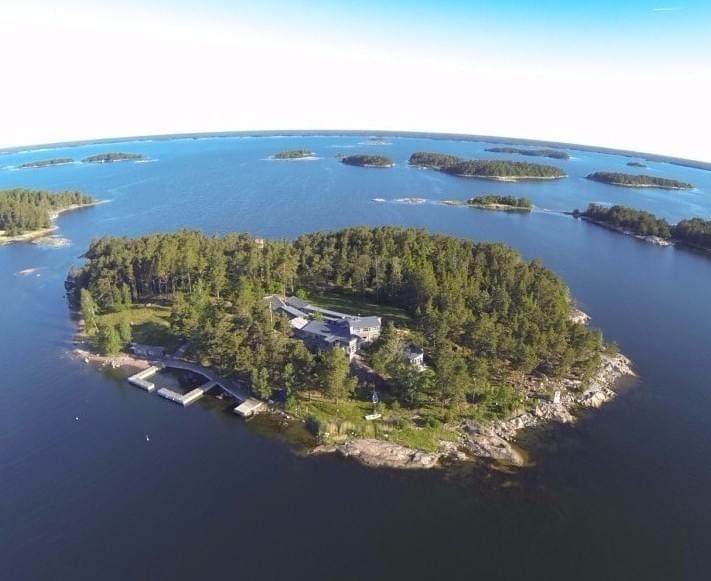
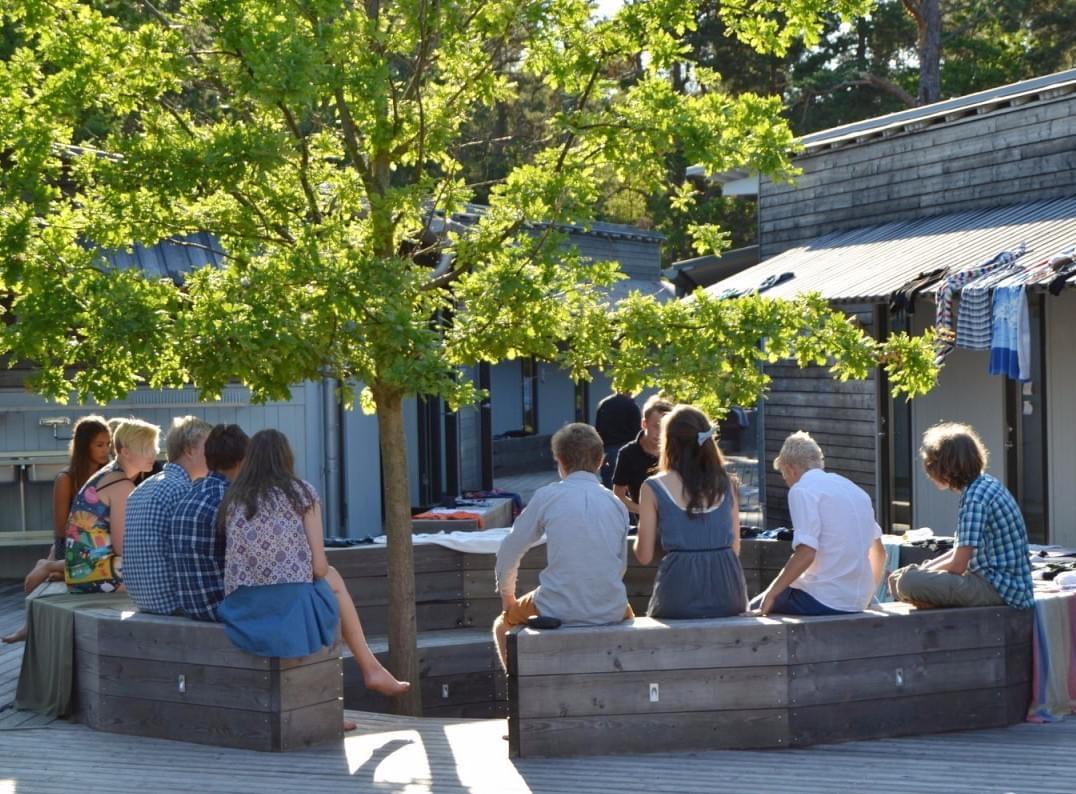
Ekskäret – literally, “where the oak trees grow” – in the Stockholm archipelago. The island was the Foundation’s first project and gave both its name and much of its original spirit.
Since opening for activities in 2011, Ekskäret has become a place for retreats, learning, personal development and exploratory gatherings. Its programmes include youth camps through Protus, courses and retreats for adults, and other initiatives concerned with inner development, reflection and societal change.
The island offers something that is increasingly rare: time, nature and space for deeper inquiry. Its activities continue to be shaped by the Foundation’s commitment to lifelong learning and to creating conditions in which people can meet themselves, one another and the larger questions of our time with greater attention.
Protus was established in 2008 with support from the Ekskäret Foundation. It organises youth camps on Ekskäret Island and at other locations in Sweden.
The camps give young people space to explore identity, values, relationships, meaning and society, while strengthening inner development, personal agency and a sense of responsibility for their own lives and the world they are part of.
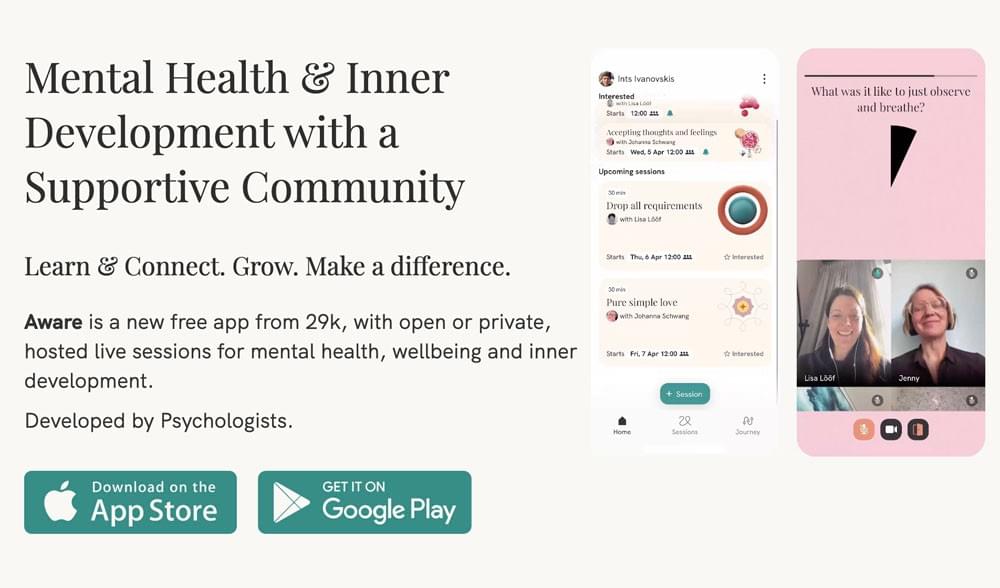
AWARE was created as a non-profit, open-source platform for inner development, combining research-based practices with peer support and human connection.
The initiative later became part of the 29k Foundation, developed in collaboration between the Ekskäret Foundation and the Norrsken Foundation, with the aim of making high-quality tools for inner development widely accessible, regardless of income or location.
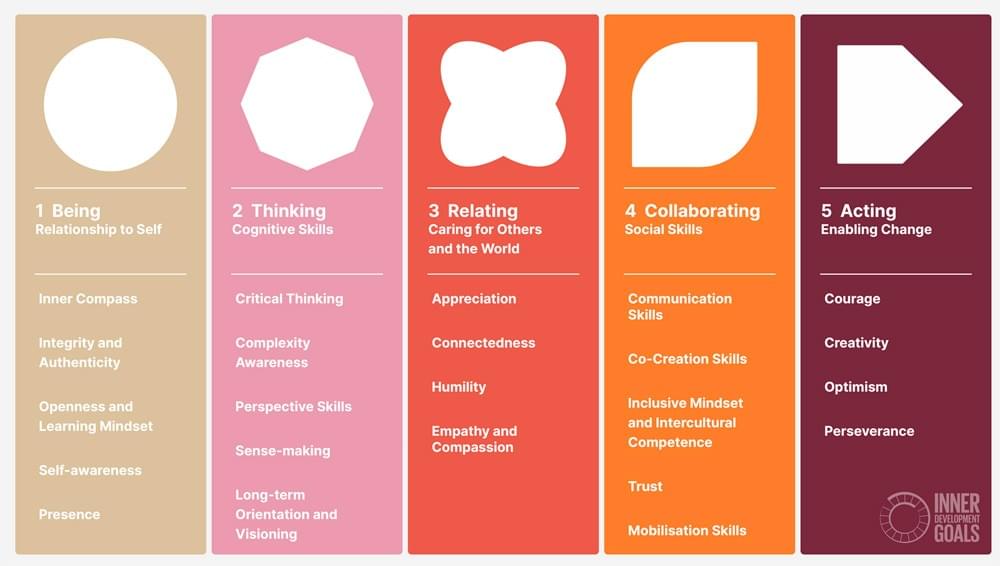
The Inner Development Goals (IDG) began from a simple insight: the Sustainable Development Goals describe many of the changes humanity needs to make, but achieving them also requires the development of human capacities.
IDG is a non-profit, open-source initiative that provides a research-based framework for the inner and relational skills needed to navigate complexity and contribute to sustainable societal transformation. Its five dimensions – Being, Thinking, Relating, Collaborating and Acting – offer a shared language for inner development across individuals, organisations and communities.
What began as a research initiative has grown into a global movement, with more than 700 local hubs across 90+ countries and a growing network of researchers, practitioners, organisations and partners.
The ambition is not to prescribe one method of development, but to make the importance of inner development visible, accessible and actionable at scale.
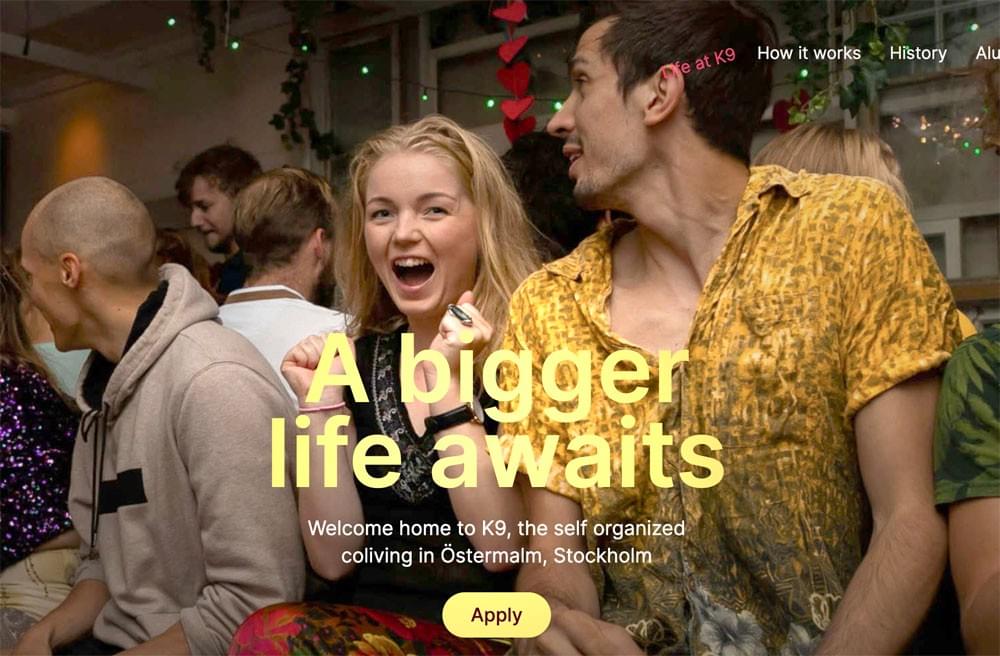
K9 is a purpose-driven real estate initiative creating co-living and co-working environments for people seeking community, collaboration and a more intentional way of living.
The project explores how the design of physical spaces can support connection, personal development and new forms of community – and how our everyday environments can contribute to a more conscious society.
The Perspectiva Institute in London explores complex societal challenges through the relationship between our inner and outer worlds. Its work brings together perspectives on systems, culture, psychology, philosophy and spirituality – integrating systems, souls and society in the search for wiser responses to the challenges of our time.
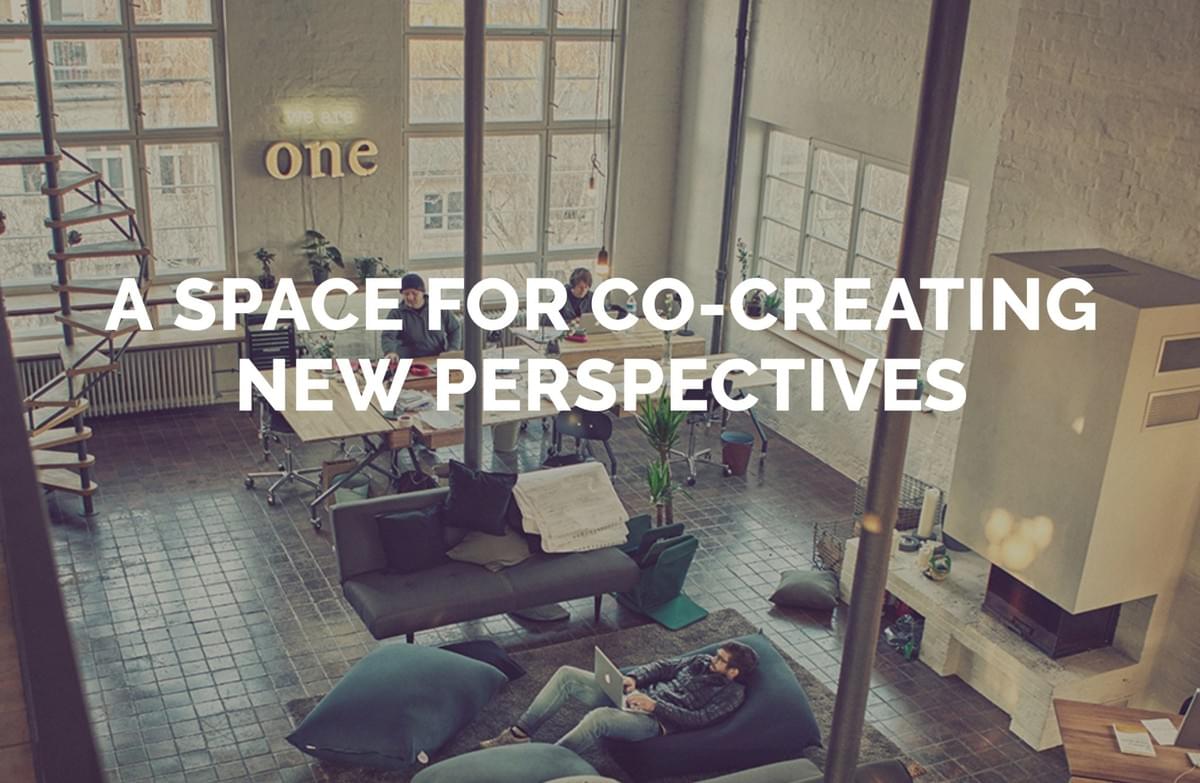
The Co-creation Loft in Berlin was created as a space for new ideas, personal development and experimentation with new ways of working together. It brings together people engaged in social innovation and systems change, offering a shared environment for collaboration, learning and the development of initiatives aimed at contributing to wider societal transformation.
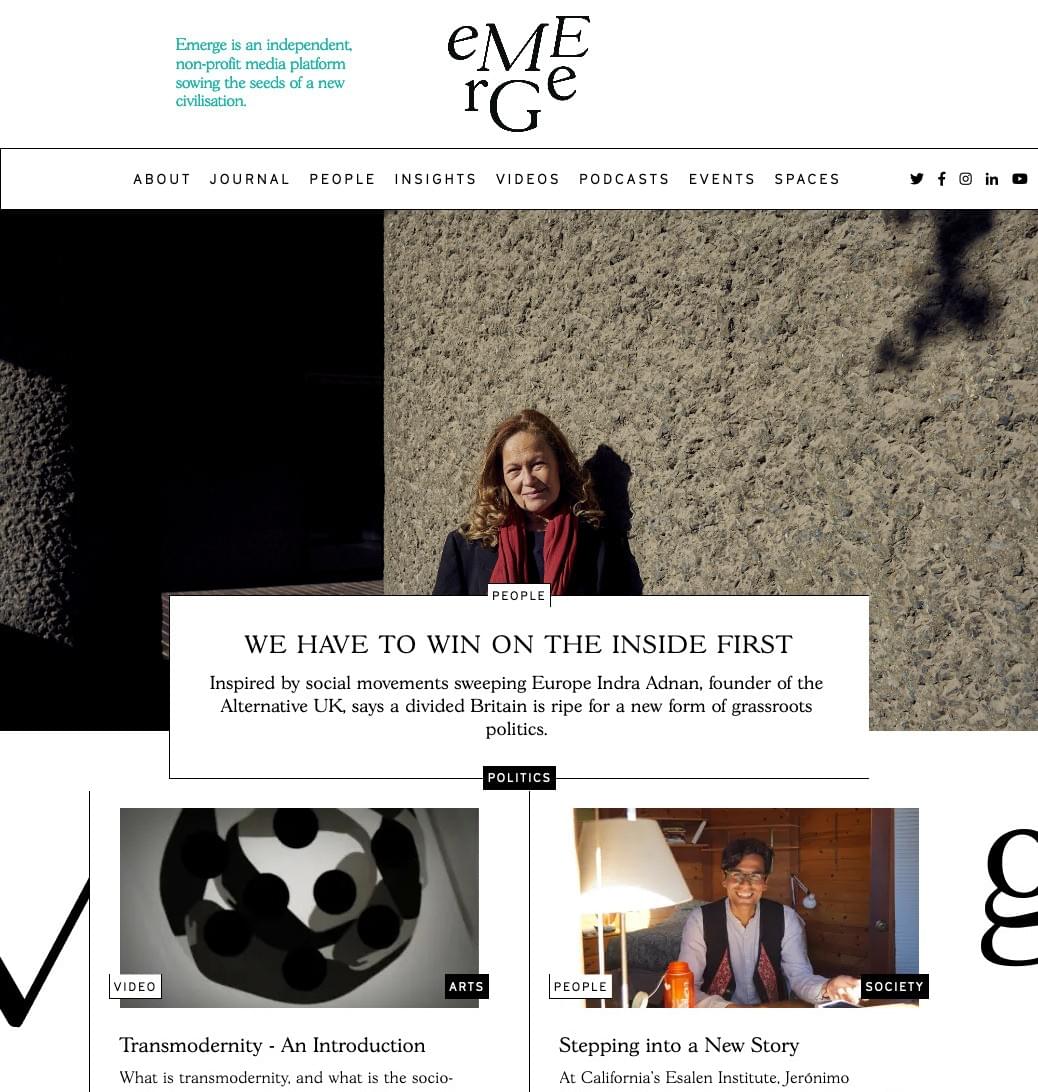
Emerge began as an independent, non-profit media platform exploring the question: What is emerging?
Through essays, conversations, podcasts, films and gatherings, it brought together thinkers and practitioners exploring new cultural narratives, worldviews and responses to a period of profound social and civilisational change.
Over time, Emerge developed beyond media into a wider community of inquiry concerned with inner development, cultural transformation and the possibilities emerging beyond the dominant assumptions of modernity.
The Emerge Gatherings bring together members of the wider Emerge community for several days of conversation, practice and exploration around cultural change, inner development and emerging worldviews.
Gatherings have been held in Berlin in 2018 and 2021, Kyiv in 2019, and Austin, Texas, in 2022. In October 2026, the gathering returns to Berlin.
Over the years, these gatherings have become an important meeting place for an international network of thinkers, practitioners and changemakers exploring what might be emerging beyond established social and cultural paradigms.
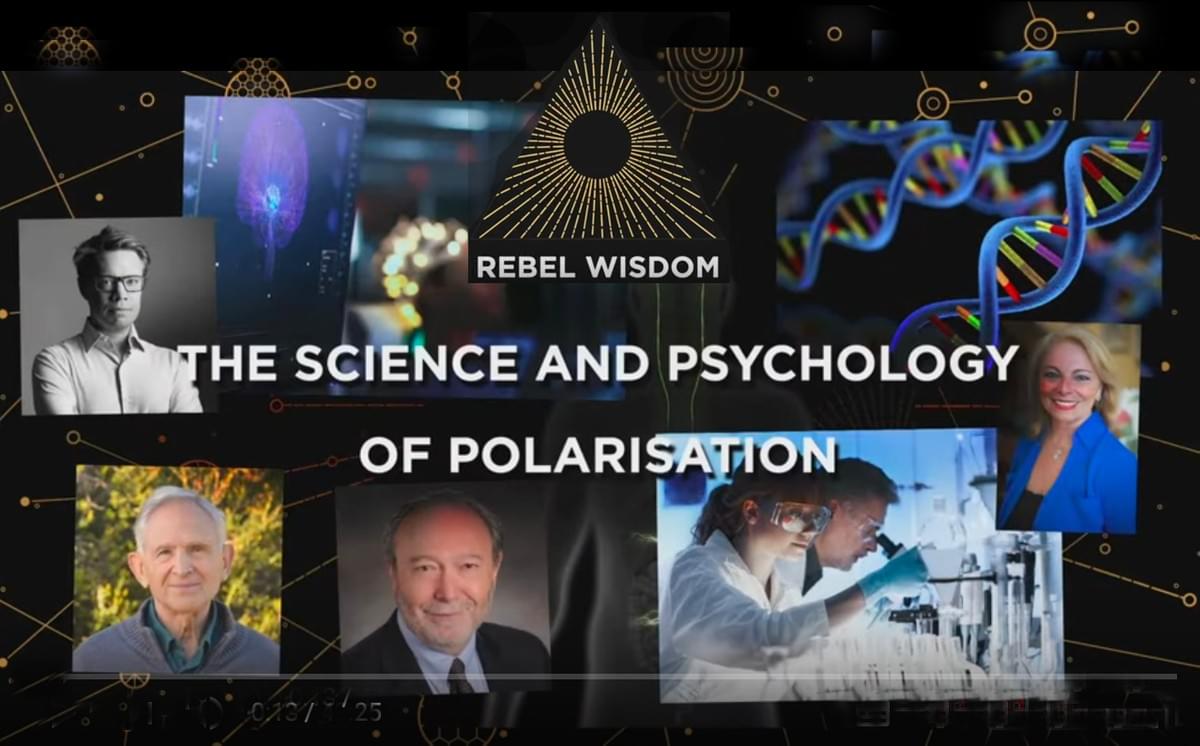
Rebel Wisdom was co-founded together with BBC and Channel 4 journalist David Fuller as a media platform for exploring ideas that challenge conventional assumptions and dominant cultural narratives.
Through interviews, films and conversations, it created space for thinkers and practitioners willing to question established frameworks and explore new ways of understanding a rapidly changing world.
The future is neither given nor entirely ours to create. We participate in its emergence.
Videos
Here you find links to some YouTube videos
Talk July 2018 at Das Progressive Zentrum, Berlin
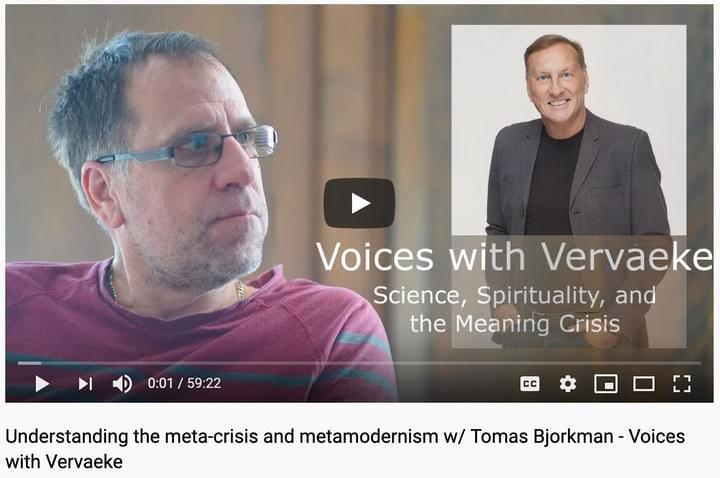
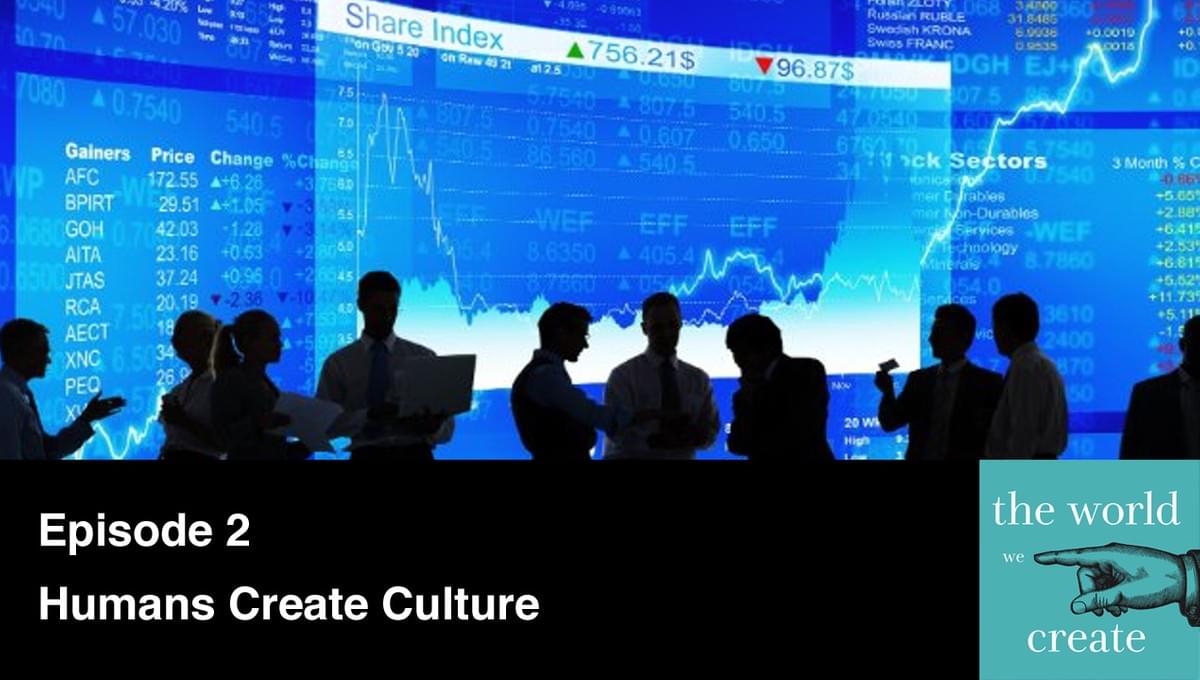
A video series in fifteen episodes available on YouTube
Books
As mentioned above, you can get an overview of my thinking by listening to this podcast.

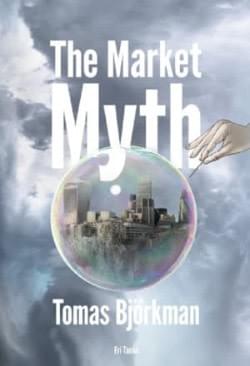
The Market Myth (2016)
Markets are not natural phenomena; they are human creations, shaped by institutions, culture, narratives and power. Nor are human beings the rational decision-makers assumed by classical economic models.
If we want markets to serve society rather than the other way round, we need to understand them as social constructs – and take responsibility for how we design and govern them.
The Market Myth (2016) Fri Tanke Förlag can be bought here.

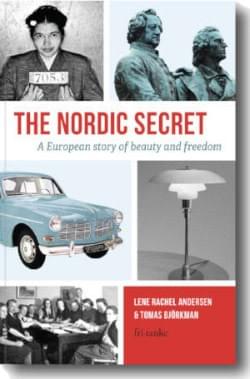
The Nordic Secret (2017)
The Nordic countries did not build strong and flourishing democracies through institutions alone. A crucial part of their development was a broad investment in personal growth, Bildung and the capacity of ordinary citizens to participate meaningfully in society.
Co-authored with Lene Rachel Andersen, who was the principal author, The Nordic Secret explores how large-scale human development contributed to the emergence of the modern Nordic democracies.

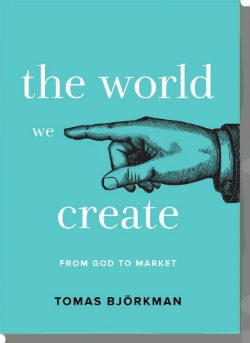
The World We Create (2019)
We are living through a profound technological, social and cultural transition. How we understand ourselves and the world – and how we create meaning together – will shape the societies that emerge from it.
The World We Create explores how human development, culture and our shared ideas about reality influence the worlds we collectively bring into being.
My story
Finding my purpose
I grew up on a farm outside Borås in western Sweden. Curiosity about how the world works led me to study mathematics and theoretical physics. I loved the combination of abstraction and empirical inquiry, and for a time I could easily have imagined a life in science. But I was also drawn to acting in the world, not only understanding it, and eventually became an entrepreneur.
The first part of my professional life took me through information technology, investment banking and property development. I founded Investment Banking Partners and later served as chairman of EFG Investment Bank. Those years gave me opportunities and experiences I could hardly have imagined growing up. They also gave me the financial freedom, eventually, to ask a different question: what did I actually want to devote my life to?
That question became increasingly important to me. Success had taught me a great deal about markets, organisations and human motivation, but it had also made me curious about the forces beneath them – the assumptions, values, psychological needs and cultural narratives that shape both individuals and societies.
In 2008, I left the financial world and began what became a very different chapter of my life.
I founded the Ekskäret Foundation together with a group of friends and collaborators, and over the following years became involved in creating organisations, communities and platforms concerned with inner development, social transformation and the deeper cultural questions of our time. These have included Ekskäret, Perspectiva, 29k, Emerge and the Inner Development Goals, alongside many smaller experiments and collaborations.
When I began this work, I thought largely in terms of bringing together changemakers and creating conditions for personal and societal development. Nearly two decades of practical experience have both strengthened and complicated that conviction.
I still believe that human beings can develop capacities that help us meet complexity with greater wisdom, compassion and responsibility. But I have become increasingly aware that inner development cannot be separated from culture, institutions, economics, technology or the deeper worldviews through which we understand ourselves and reality.
This has brought me back, in an unexpected way, to some of the questions that fascinated me when I was young. What kind of world are we actually part of? What is a human being within that world? How much can we consciously shape, and how much must we learn to listen and respond to processes larger than ourselves? What does it mean to live responsibly in a period of profound civilisational change?
Today, much of my time is devoted to exploring these questions through writing, conversation and the institutions I remain involved in. Emerge Institute and Emerge Lakefront are the latest expressions of this work – places for learning, community and inquiry that also draw together many strands of the journey that began with Ekskäret almost twenty years ago.
My three adult children remain one of the deepest sources of meaning in my life. So do the friendships and communities that have grown around this work.
I feel fortunate to have reached a stage of life where I no longer need to search for the next project. What interests me now is how the experiences, relationships and institutions that have accumulated over the years can serve something larger than themselves.
The world feels more precarious to me today than it did when I began this journey – but also more mysterious. I am less certain that we can simply design the future we want. I am increasingly interested in how we can become better participants in what is unfolding: attentive to reality, capable of discernment, willing to act, and humble about how much we can know or control.
Research in Action
My academic background in mathematics and theoretical physics gave me a lasting respect for science – for its disciplined curiosity, its willingness to test assumptions, and its extraordinary capacity to deepen our understanding of the world. I continue to follow research across a wide range of fields, particularly complexity science, developmental psychology, cognitive science, sociology and ecology.
Over the years, however, I have also become increasingly aware of the limits of any single way of knowing. Scientific knowledge is indispensable, but many of the questions that matter most to us – about meaning, value, purpose, responsibility and how we should live together – cannot be settled by science alone. They require dialogue between different disciplines, traditions of thought and forms of human experience.
There is already an enormous body of knowledge that could help us create healthier institutions, more resilient communities and more meaningful lives. Yet much of it remains fragmented within academic disciplines or fails to find its way into education, organisations and public life.
Part of my work has therefore been about building bridges: between research and practice, between inner and societal development, and between different ways of understanding the human condition.
At the same time, I have become more cautious about the idea that society can simply be designed towards a predetermined future. Complex systems do not behave that way. Our actions matter, but their consequences are never entirely under our control.
The challenge, as I now see it, is to hold intentionality and humility together: to act on the best knowledge and values available to us, while remaining attentive to emergence, open to learning and prepared to revise our understanding as reality responds.
We cannot stand outside society and engineer the future. But neither are we powerless spectators. We are participants in the worlds we inherit, sustain and help bring into being.
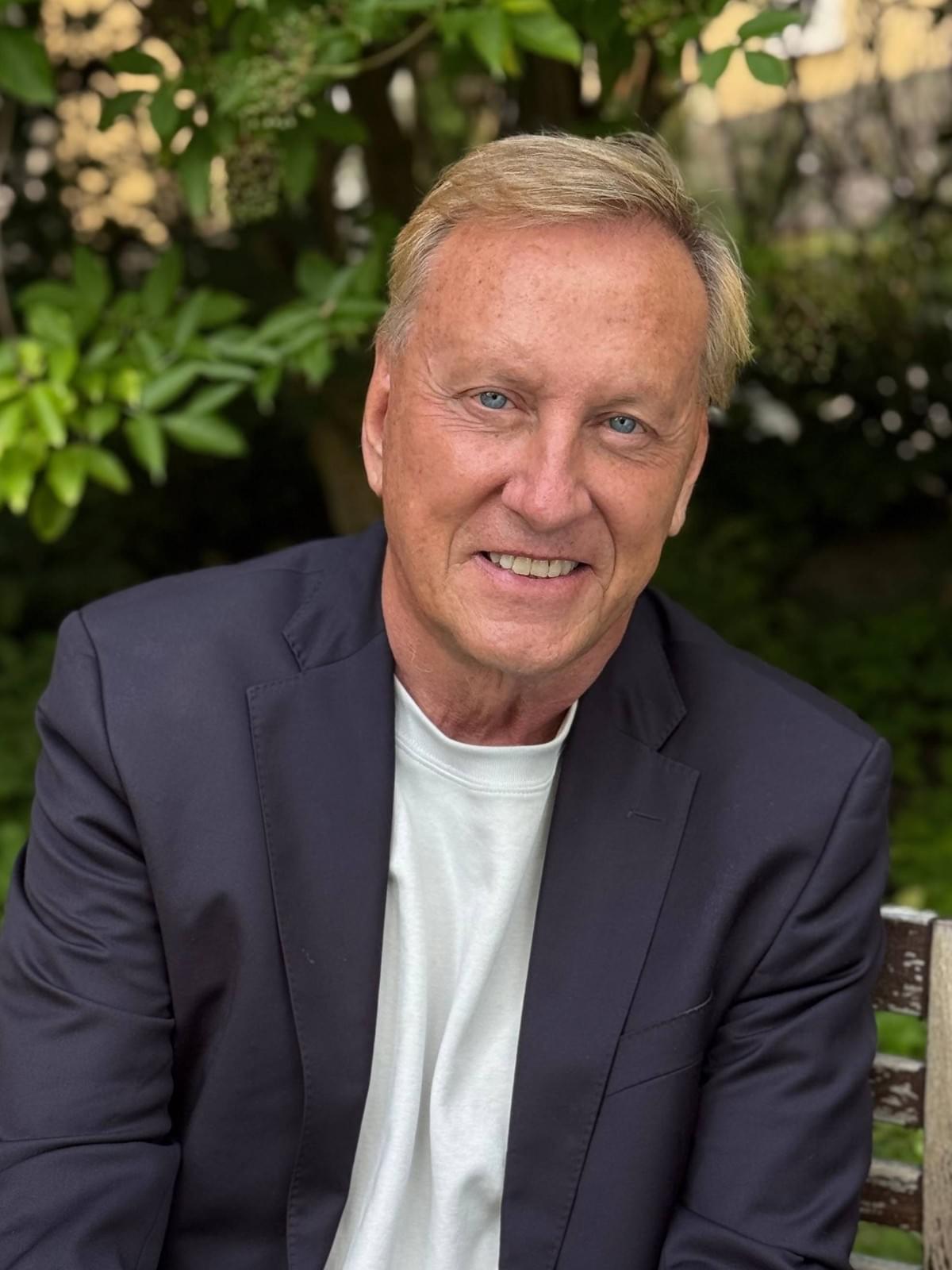
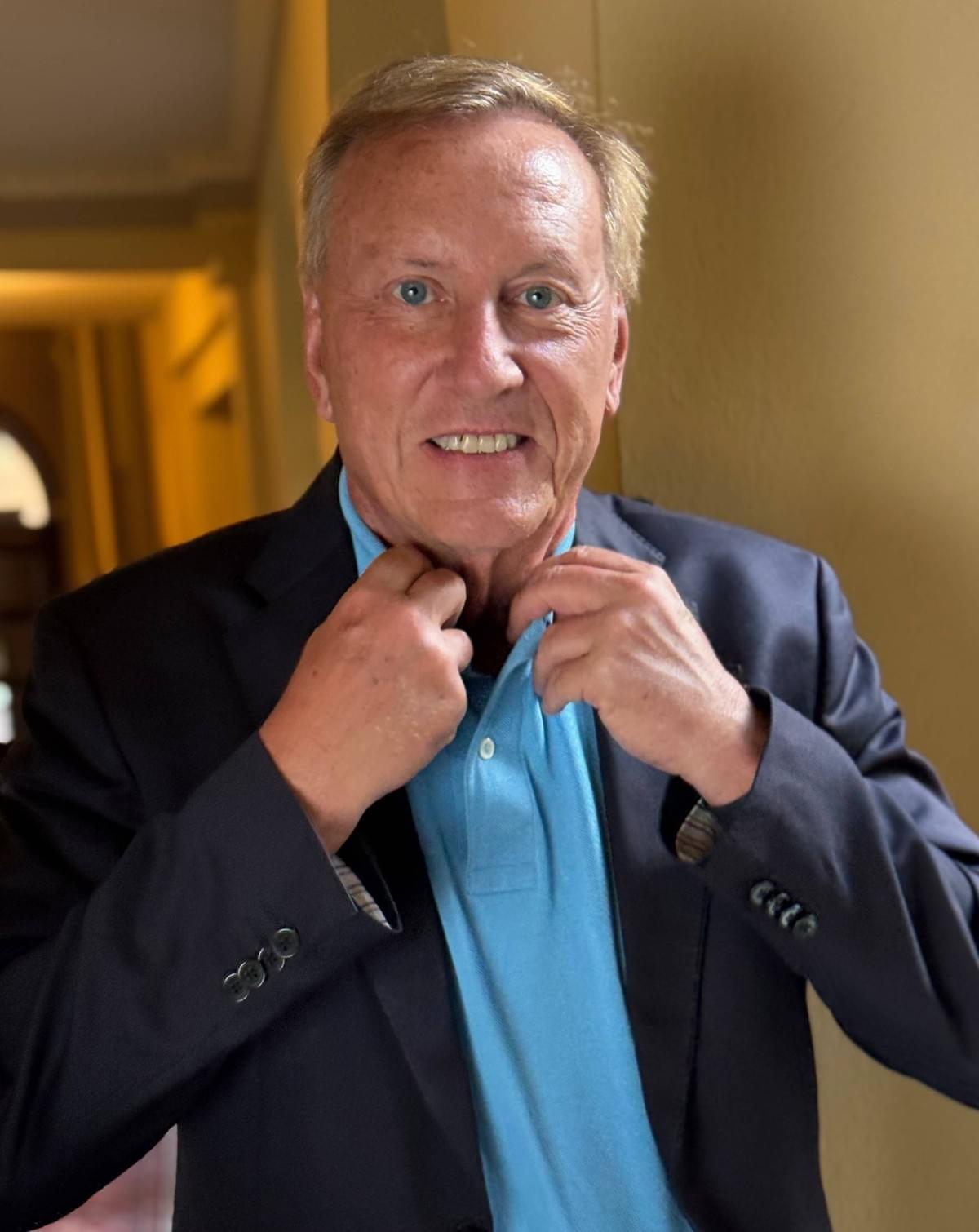
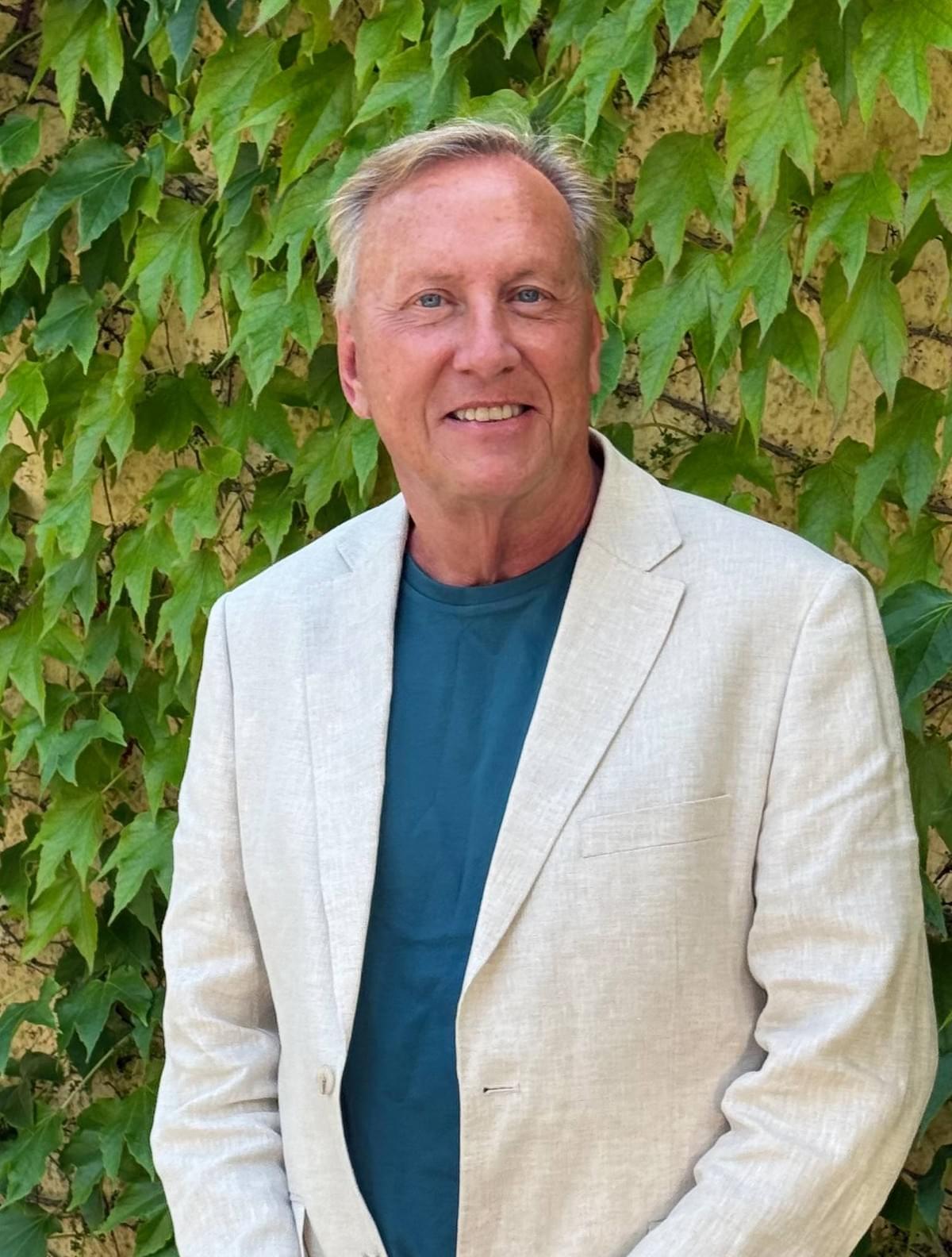
Press Photos

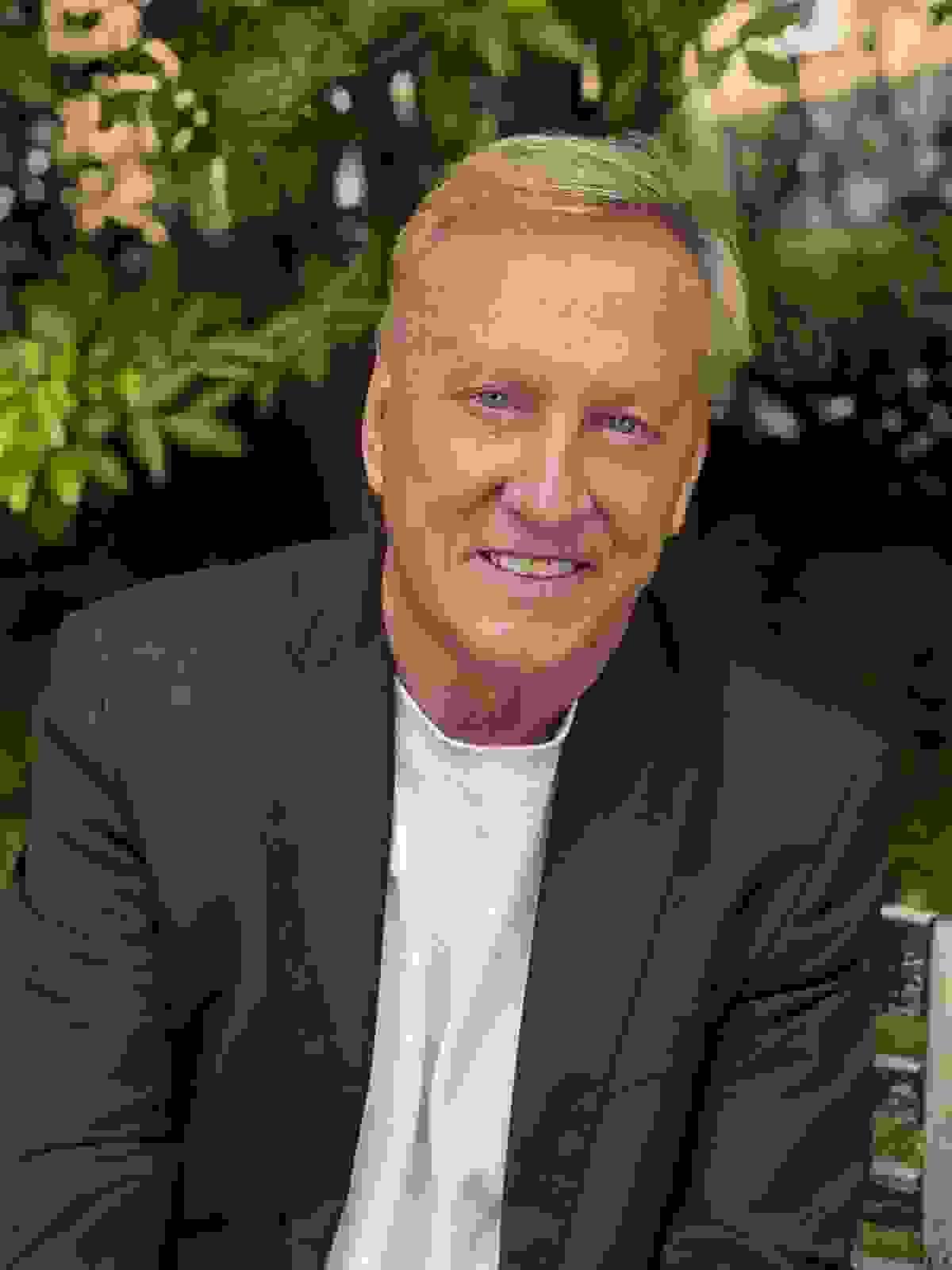
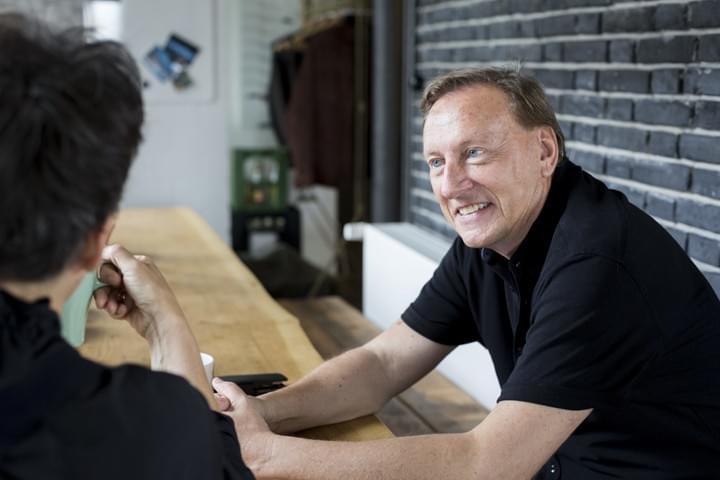
Tomas Björkman
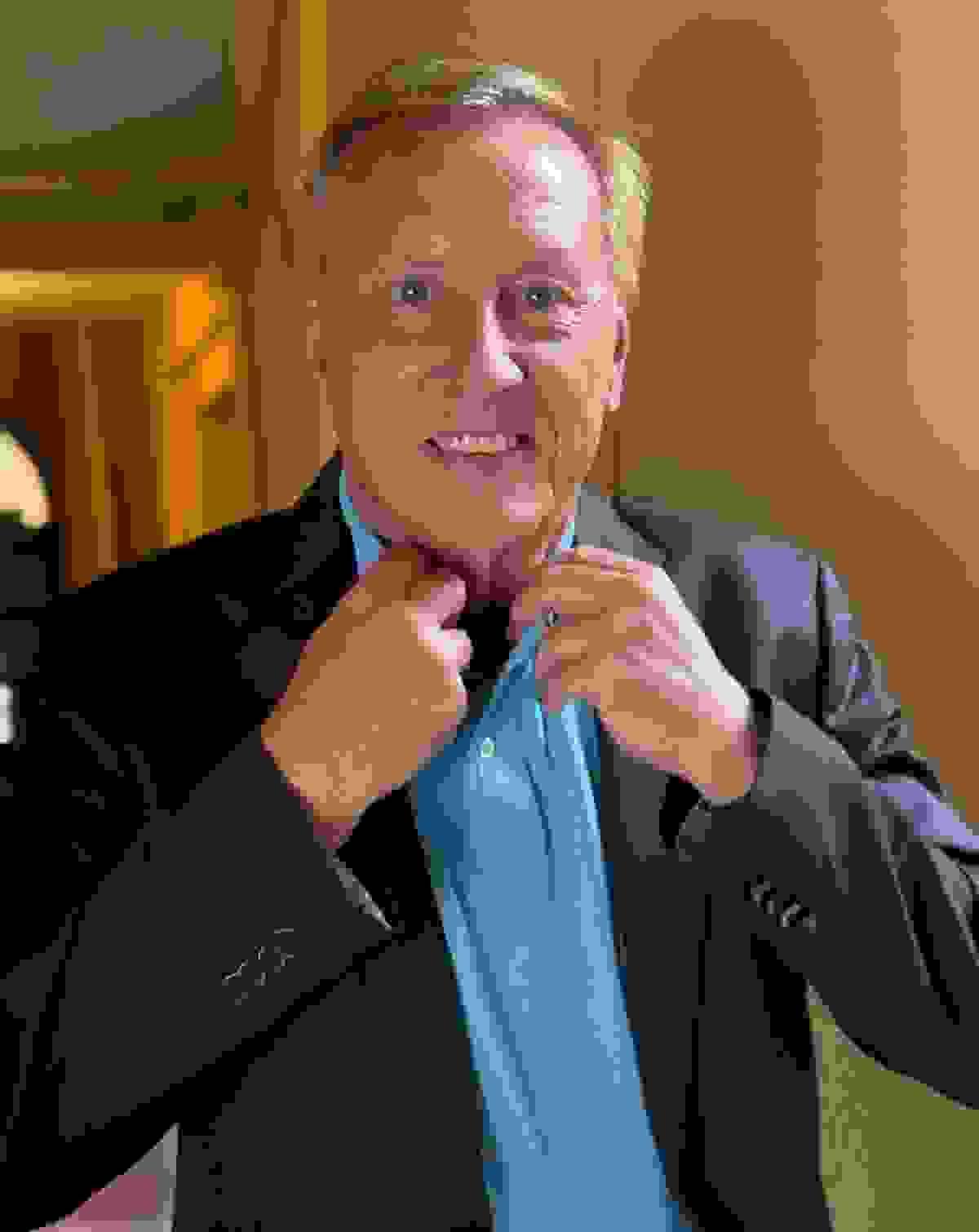
Tomas Björkman
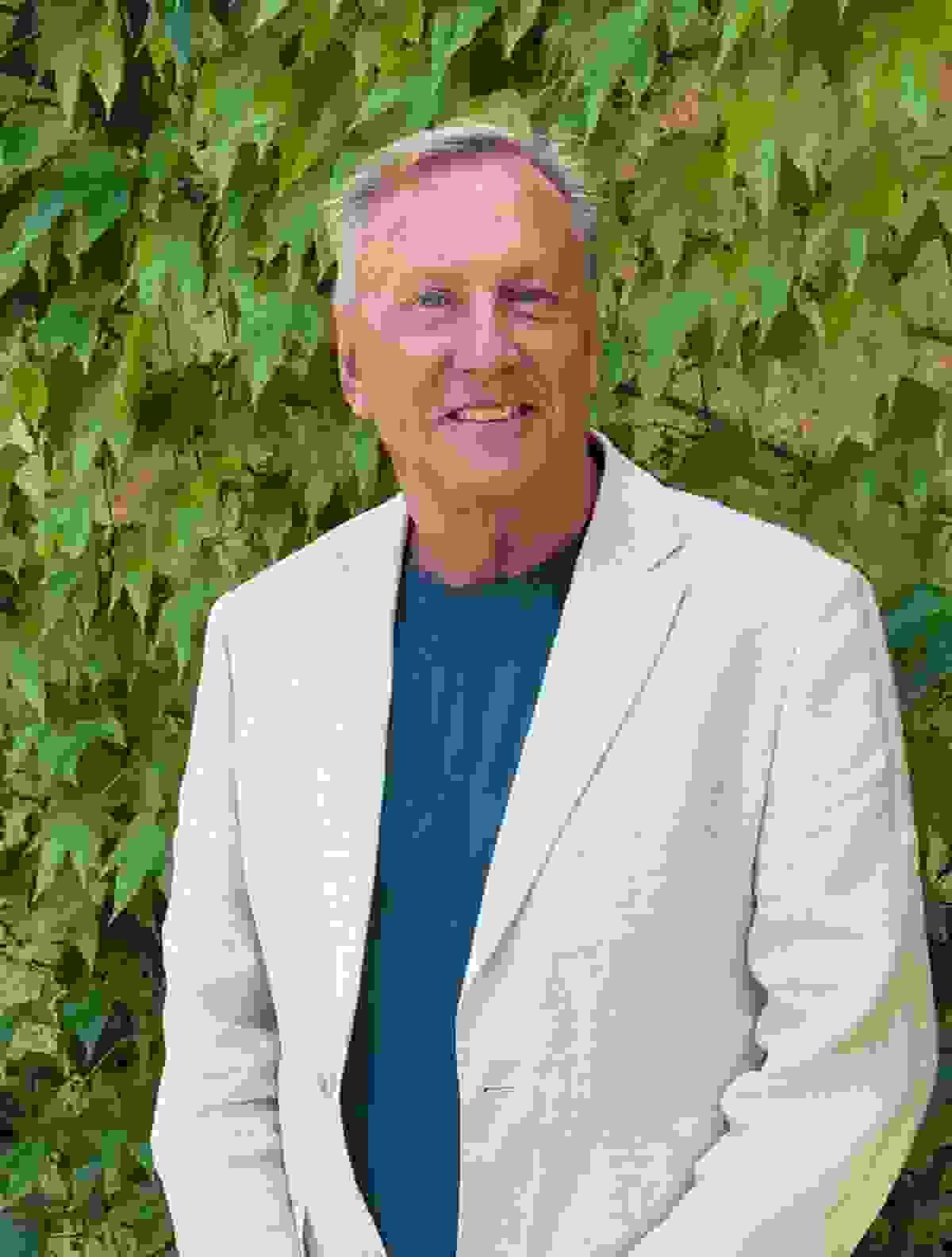
Tomas Björkman
© 2022